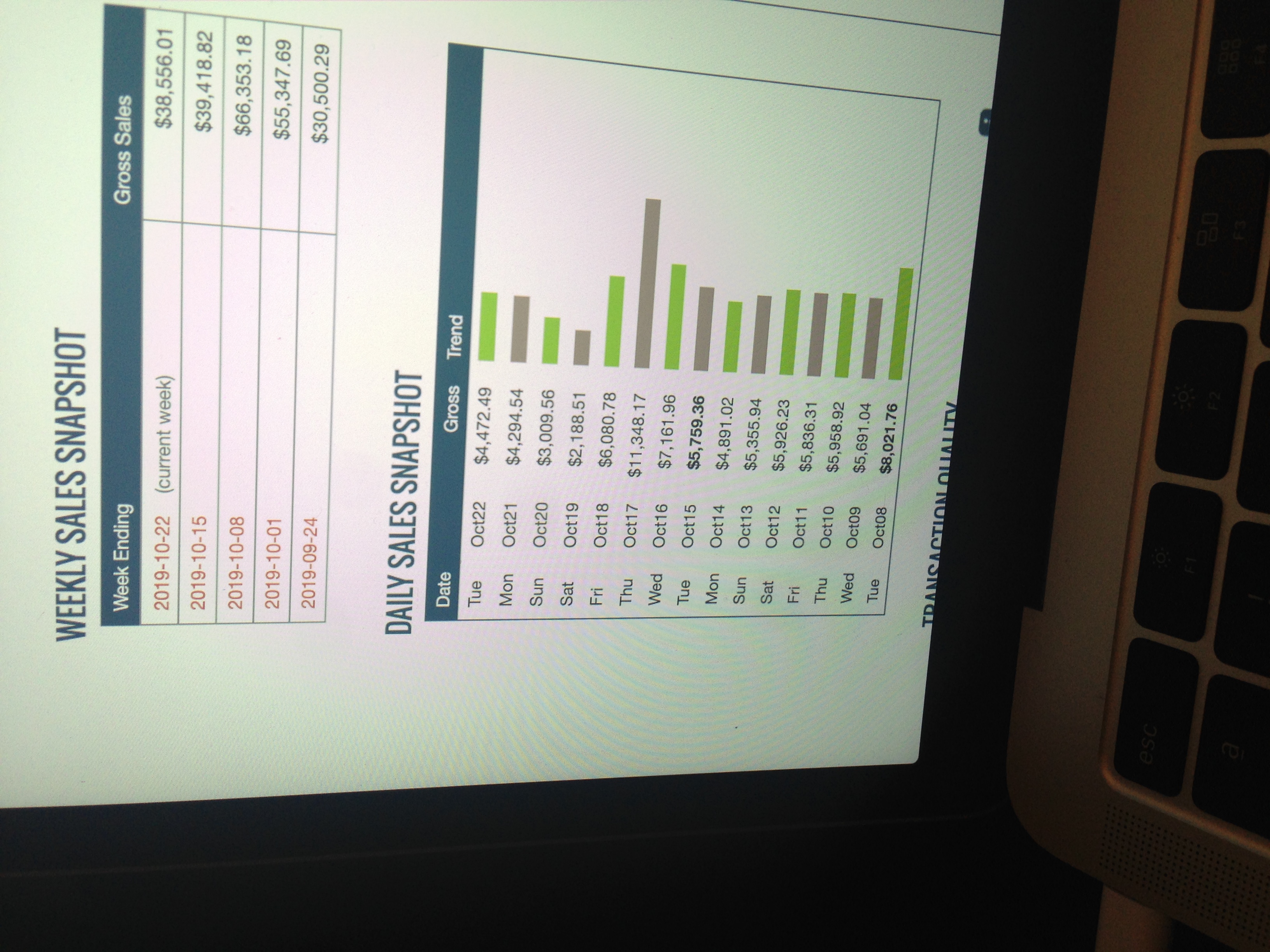
Start with a real problem and a real buyer. Prove that somebody wants the result. Then let AI remove the repeated work instead of building a giant machine before you have a business.
The laptop is not the business. The business starts when a real person wants a result badly enough to pay for it.
If I had to start again today, I would not begin by building an AI agent.
I would not spend a week picking tools. I would not build a fancy dashboard. I would not ask AI to invent 100 business ideas and then convince myself one of them must work.
I would start with a person.
What are they already trying to fix? What takes too long? What costs too much? What result do they already want?
Then I would see whether AI can help me deliver that result with less time, less cost, or less complexity.
AI should make a useful business lighter. It should not be used to hide the fact that nobody wants the offer.
First, Know What Changed
Fact: AI has lowered some barriers to starting small businesses. Research covering more than 160,000 Product Hunt launches found a sharp increase in solo entrepreneurial entry after generative AI became widely available. But team-based ventures were still more common among the highest-ranked outcomes. Read the research.
Interpretation: One person can test and build more than before, but AI does not erase the advantages of skill, demand, distribution, or the right human help.
My belief: Stay one person while being one person makes the company better. Do not stay one person just to prove a point.
The Seven Steps I Would Follow
1. Find a Problem People Already Spend Money OnDo not begin with “What can AI do?” Begin with “What does this person need done?” Look for pain that is repeated, expensive, slow, confusing, or tied to money, time, health, work, or peace of mind. The safest clue is existing spending. If people already hire someone, buy software, buy information, or waste hours doing it themselves, there may be a business there.
2. Pick One Clear Buyer“Small businesses” is too wide. “Dentists who need missed calls followed up” is clearer. “Creators” is wide. “YouTube creators who need one long video turned into shorts” is clearer. The narrower buyer makes the problem easier to see and the message easier to write.
3. Sell the Result Before the SystemYour first offer can be simple. Promise one result you can actually deliver. Do some of the work manually. Talk to the buyer. Learn what they care about and what they ignore. This is where many people do the opposite: they automate first and learn later. I would rather learn cheaply.
A working offer matters more than an impressive stack. Revenue is one signal that the market understood the value.
4. Write Down What RepeatsOnce customers buy, watch the work. Which inputs are always needed? Which questions come up every time? Which checks prevent mistakes? Which output has the same shape? Those repeated pieces become your operating procedure. You cannot build a reliable automation around a process you do not understand.
5. Automate the Stable PartsNow bring in AI. Use a fixed rule when a fixed rule works. Use normal automation when the path is predictable. Use AI when language, classification, research, drafting, or judgment makes it useful. Use an agent only when the task actually needs multi-step decisions. The goal is not maximum AI. The goal is minimum waste.
6. Build One Customer PathChoose one main way people discover you: search, short videos, paid ads, outreach, referrals, partnerships, or an audience you already have. Then give them one next step. Read. Reply. Book. Try. Buy. Shopify's 2026 guide to starting a business with AI makes a similar basic point: AI can assist research, branding, operations, and marketing, but the founder still has to define the business and reach customers. See the guide.
7. Measure the Business, Then Remove More WorkWatch a few numbers that tell the truth: leads, conversion, delivery time, refunds, repeat customers, profit, and owner hours. If AI adds cost without improving one of those, question it. If a human creates more value than another automation, use the human. Keep removing work that does not improve the customer result.
The robot is useful when it serves the system. It becomes a distraction when the tool itself becomes the strategy.
The Simple Test Before You Automate
I can name the buyer in one sentence.
I can name the problem in one sentence.
I know what result I am selling.
I have evidence people care about the problem.
I can deliver the first version manually.
I know which parts repeat.
I know which mistakes still need human review.
I have one clear way to reach customers.
If you cannot check the first four boxes, I would not spend much money building yet.
That is the part AI makes easy to forget.
What I Would Keep Human
I would keep final control over the offer, promises, pricing, money, brand decisions, sensitive customer issues, and anything where one bad action can create a large problem.
I would let AI help me think faster. I would not let it quietly become the person deciding what my company stands for.
The point of a lean company is not to worship efficiency. It is to create more room for the life the business was meant to support.
The Part I Wish More Beginners Heard
You do not need to look like a company before you have customers.
You need to become useful.
One buyer. One painful problem. One clear result. One simple way to deliver it. One path to the next buyer.
Then improve the machine.
That order matters.
Build the First Version Before the Big Version
If you want help using AI to think through the offer, customer, and workflow, start with my free Claude27 prompt guide. Use it to make the business clearer before you make the system bigger.